
Economy
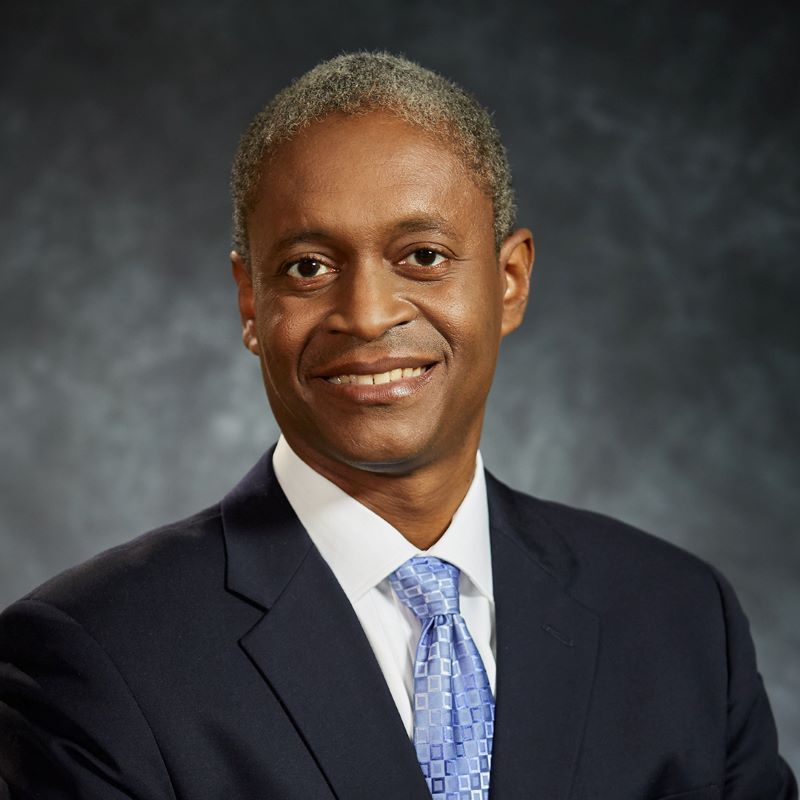
Raphael Bostic Predicts Slower U.S. Growth Without Recession
May
Raphael Bostic, Atlanta Fed President, expects the U.S. economy to slow in 2025 without entering a recession. He emphasized his outlook for a moderate economic deceleration next year, avoiding a full downturn. Bostic reaffirmed his prediction of only one interest-rate cut throughout 2025 to support growth. He remains cautious but optimistic about steady economic conditions despite slower expansion next year.
Economic Growth Projected Between 0.5% and 1%
Bostic projects economic growth to range between 0.5% and 1% this year. He attributes this modest expansion to ongoing uncertainty and consumer caution. Furthermore, shifting trade policies have caused businesses to hesitate in making key investment decisions.
One Interest-Rate Cut Expected in 2025
In a May 14 interview on Bloomberg’s Odd Lots podcast, Bostic stated, “I foresee one rate cut for the year.” He explained that persistent uncertainties without quick resolution are a major factor influencing this outlook.
Unprecedented Momentum in U.S.-China Tariff Talks
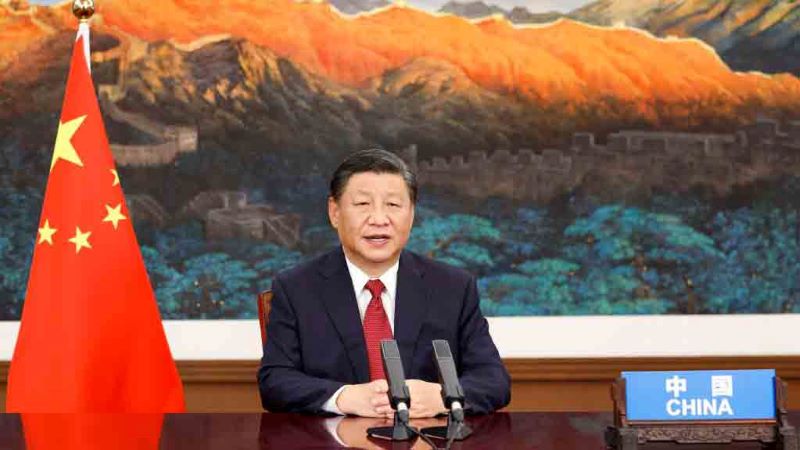
Negotiations between the United States and China have gained renewed momentum, marking a significant…
Trade Policy Tensions Remain Uncertain
Bostic mentioned the 90-day delays in enforcing reciprocal tariffs and recent easing of U.S.-China trade tensions. However, he stressed that the final outcomes of these negotiations remain unclear. When asked if the trade détente changed his outlook, he replied, “to a slight degree.”
Federal Reserve Maintains Cautious Monetary Policy
Last week, Bostic expressed hesitation about changing monetary policy amid unclear economic signals. Federal Reserve officials recently kept interest rates steady, highlighting risks of higher unemployment and inflation. Fed Chair Jerome Powell emphasized a cautious approach with no plans for immediate rate cuts.
Tariffs Add Upward Pressure on Inflation
Economists at the Atlanta Fed see tariffs as contributing to inflationary pressures, a view widely shared in the market. Bostic concluded that the Fed’s policy will need to anticipate and counteract these inflation forces, limiting the flexibility of current monetary measures.
